Form is one of the most important things to learn when getting
ready to compete in a powerlifting competition.
There are hundreds of videos online all with slightly different
techiniques for the squat, bench and deadlift.
Specifically for powerlifting I would recommend watching
Calgery Barbells
videos on his channel which cover the main three lifts in thorough
detail.
There are several top creators who produce high-quality content
when it comes to powerlifting. Among the best are Omar Isuf, Jeff
Nippard, Mark Bell, Alan Thrall, and Juggernaut Training Systems.
Each of these creators brings a unique perspective and approach to
powerlifting, offering insights on everything from strength
training and nutrition to form and technique. Whether you're a
seasoned lifter or just starting out, their informative videos can
help you learn more about the sport and improve your performance.
The best time to compete in a powerlifting competition is when you
feel physically and mentally prepared. This will vary depending on
your individual training program and goals, but many powerlifters
aim to compete after a period of consistent training and
progression, typically after several months or even a year of
dedicated preparation.
It's also important to consider factors such as work or school
schedules, travel, and recovery time when choosing a competition
date. Ultimately, the key is to plan ahead, set realistic goals,
and give yourself plenty of time to prepare both physically and
mentally for the demands of competition day.
There are many good powerlifting programs available online, but
the best one for you will depend on your experience level, goals,
and training preferences. Some popular options include "Starting
Strength" by Mark Rippetoe, "The Cube Method" by Brandon Lilly,
"The Westside Barbell Conjugate Method" by Louie Simmons, and
"Sheiko" by Boris Sheiko. Additionally, powerlifting-specific
websites like PowerliftingToWin.com offer a wide range of free
programs for lifters of all levels.
When choosing a program, it's important to consider factors such
as your current strength levels, how much time you have available
to train, and what type of training style you enjoy. Whatever
program you choose, be sure to approach it with dedication,
consistency, and a willingness to put in the hard work necessary
to achieve your powerlifting goals.
There isn't a specific age that's considered "too young" to
powerlift. However, children and teenagers who are still growing
and developing may not be ready for the demands of heavy lifting.
It's important for young lifters to focus on proper form,
technique, and injury prevention, rather than trying to lift as
much weight as possible. Additionally, young lifters should be
supervised by a qualified coach who can ensure their safety and
provide guidance on appropriate training techniques.
In general, it's a good idea for young lifters to start with
bodyweight exercises, resistance bands, or light weights and
gradually progress as their strength and form improve. Ultimately,
the decision to start powerlifting should be made on an individual
basis, taking into account factors such as age, physical
development, and fitness goals.
When powerlifting, it's important to consume a sufficient amount
of calories to fuel your body, prioritize protein for muscle
repair and growth, eat carbohydrates for energy and glycogen
stores, include healthy fats in moderation, stay hydrated by
drinking enough water, and time your meals around training to
support muscle recovery and growth.
It's recommended to eat a meal containing carbohydrates and
protein within 30 minutes to an hour before training and another
within 30 minutes to an hour after training. Working with a
registered dietitian or sports nutritionist can help you create a
personalized nutrition plan that meets your individual needs and
goals.

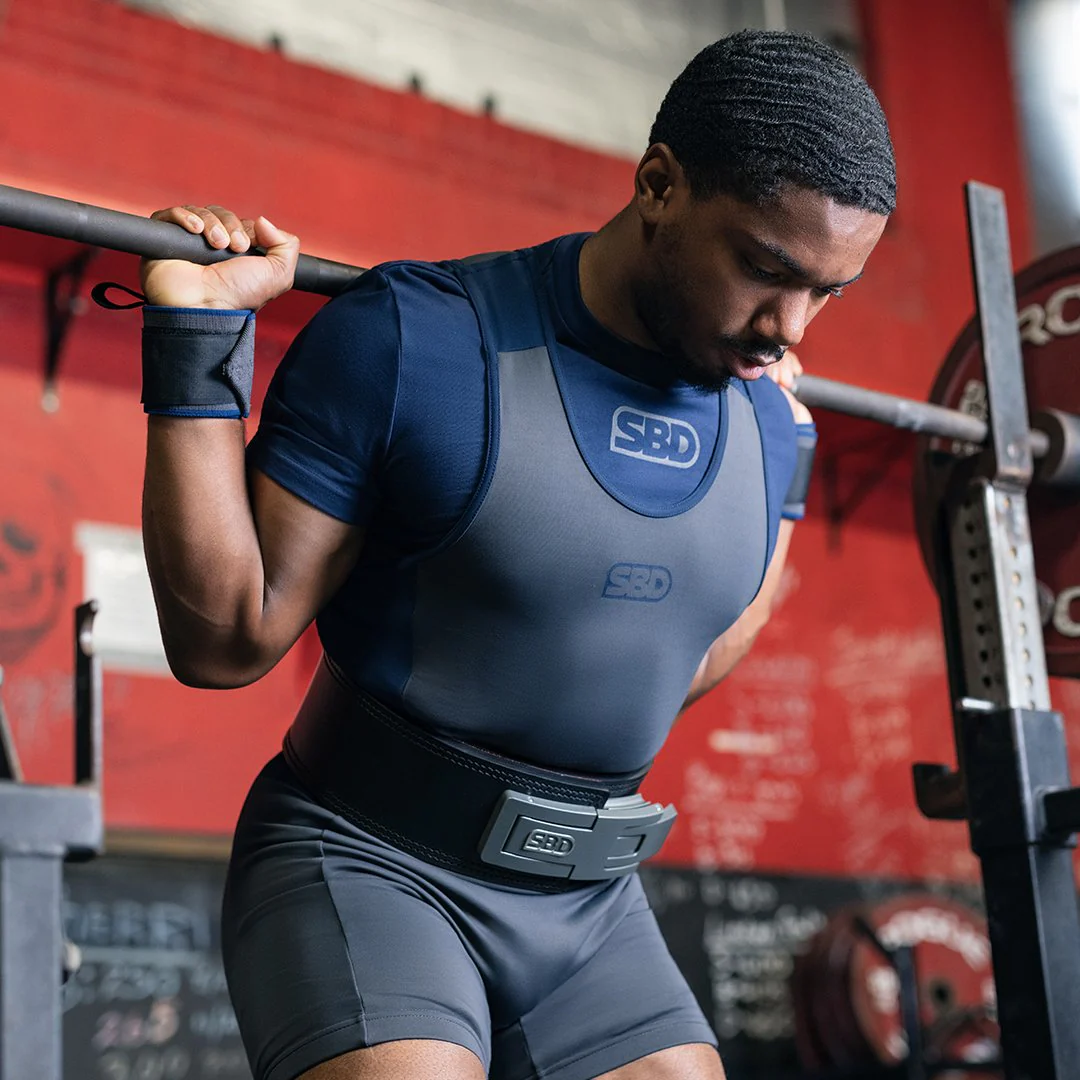




 Singlet